Standing on the Shoulders of Giants.
YAIBOS did not emerge in a vacuum. It represents the deliberate synthesis of four distinct movements: Personal Knowledge Management (PKM), sovereign local-first data, asynchronous business systems, and autonomous agent architectures.
This page credits the key thinkers, educators, and engineering teams whose concepts, books, and frameworks directly shaped the YAIBOS open specification.
Second Brains & Open Files
From Tiago Forte, Nick Milo, and Eliott Meunier: company memory must live in open Markdown files that you own forever, never locked inside a proprietary SaaS database.
Context Grounding & The 4 C's
From Nate Herk, Meta Analytics, and Andrej Karpathy: AI models perform best when grounded in structured rules, external tools (MCP), and repeatable SOPs.
Async Systems & Low Friction
From Iwo Szapar and Dan Harrison: business systems should work asynchronously without demanding constant human presence, lowering stress and boosting leverage.
The Eight Primary Inspirations
Ordered by domain contribution across knowledge management, agent architecture, and async leverage.

Tiago Forte
websiteAuthor of 'Building a Second Brain' and Founder of Forte Labs
Pioneered mainstream Personal Knowledge Management (PKM). Proved that externalizing human memory into structured digital categories (Projects, Areas, Resources, Archives) liberates working memory for creative synthesis.
"Your mind is for having ideas, not holding them. A second brain turns transient thoughts into durable knowledge assets."
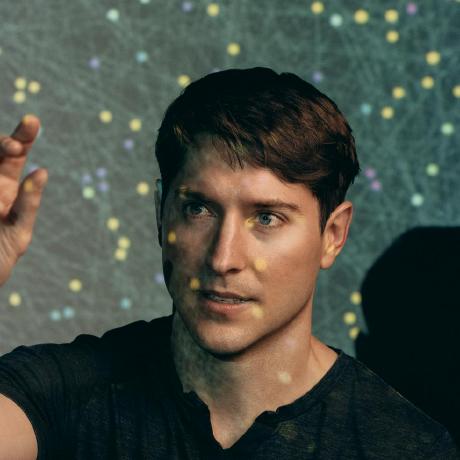
Nick Milo
websiteFounder of Linking Your Thinking (LYT) and Creator of Maps of Content
Championed the sovereign 'File over App' philosophy. Demonstrated that enduring knowledge must be stored in open, future-proof plain Markdown files rather than rented inside proprietary cloud database apps.
"When you own the files, you own the thoughts. Never let a vendor lock your life's work inside their database."

Eliott Meunier
websiteAuthor of 'Le Deuxième Cerveau', Creator of Evocative and Prisme One
Early pioneer bridging sovereign Markdown second brains directly with autonomous agent execution. Demonstrated how Obsidian notes can function as the central operating system dispatching AI tasks.
"A second brain is not just a passive digital archive: it is the nervous core that directs agent execution."
Formulated the practical 4 C's architecture for AI operations: Context (rules, directives, voice), Connections (MCP tools and APIs), Capabilities (reusable skills and SOPs), and Cadence (scheduled recurring automations).
"AI models are commodities: predictable business results come from engineering the 4 C's around them."

Meta Analytics Team
websiteEnterprise Second Brain Case Study (60,000 Knowledge Workers)
Published the landmark case study documenting how Meta deployed an AI second brain across 60,000 employees. Proved at enterprise scale that grounding agents in structured internal documentation drastically outperforms generic conversational chatbots.
"Internal company context is the single greatest multiplier for enterprise AI adoption and accuracy."

Andrej Karpathy
websiteFormer Director of AI at Tesla, Co-Founder of OpenAI
Popularized the concept of the 'LLM OS', viewing the language model as a CPU coordinating memory, tools, and disk access. Also conceptualized the 'LLM Wiki' where background agents continuously refine raw clips into knowledge.
"LLMs are the central processing units of modern computation, orchestrating context, tools, and storage."

Iwo Szapar
websiteSecond Brain Architect and Co-Founder of Remote-how
Global champion of asynchronous company operations and documentation-first cultures. Showed that remote teams thrive when processes are written down clearly rather than coordinated through endless meetings.
"Async-first operations replace reactive meeting chaos with calm, deliberate, documentation-driven progress."
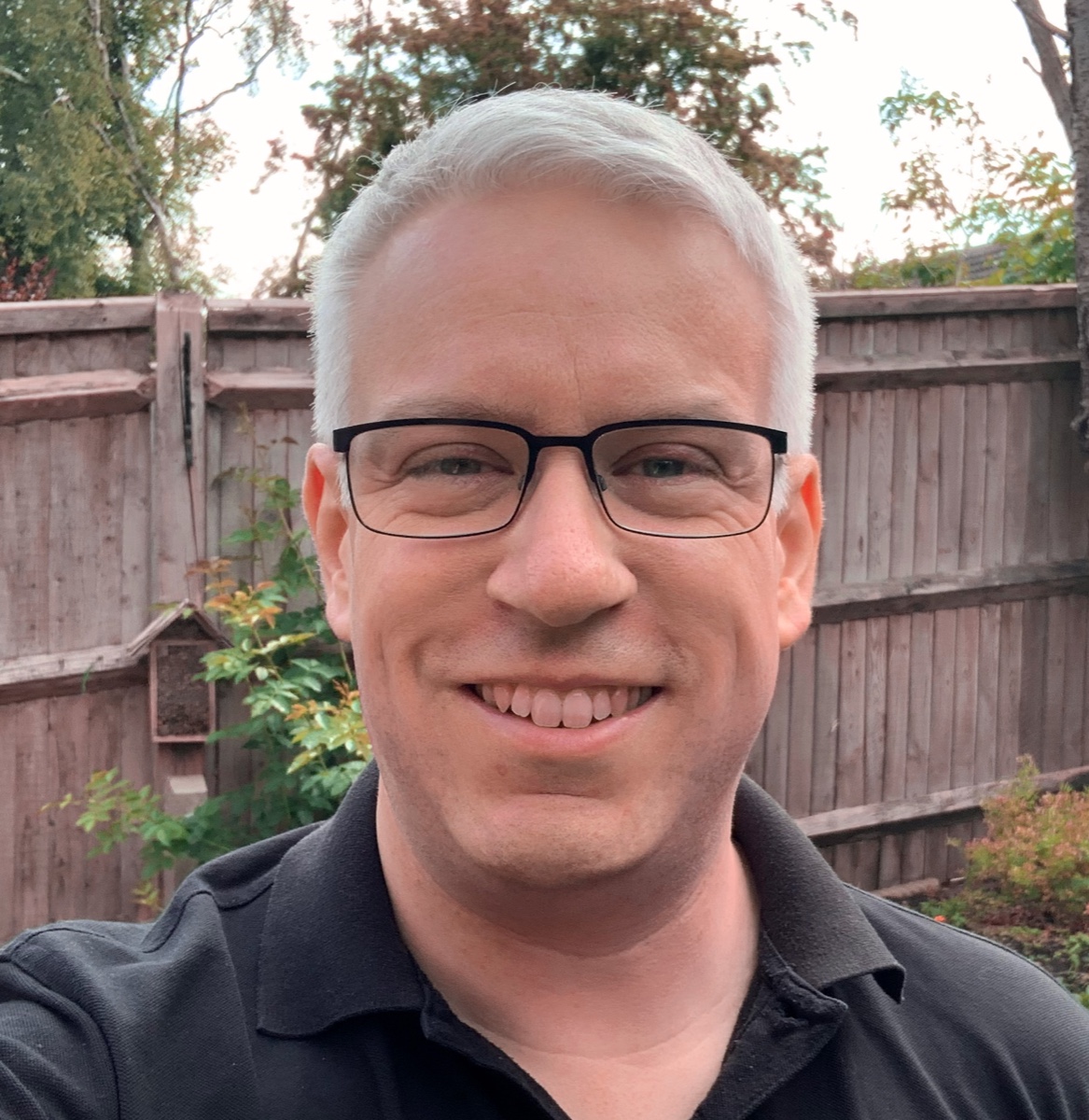
Developer and educator creating pragmatic AI operating frameworks for solo founders and boutique service businesses. Focused on eliminating administrative drag so founders can reclaim genuine time freedom.
"True business leverage means building systems that work without demanding your constant physical presence."
How the Four Threads Converge in YAIBOS
Each movement solved one critical piece of the puzzle. YAIBOS is the unified specification that binds them into a single, cohesive operating system for small teams.
Human-editable in Obsidian. Permanent company ownership. Zero SaaS database lock-in.
Procedures declared in Markdown with timeout caps, role permissions, and output manifests.
Staff use ChatGPT or Claude team sessions directly. Zero host token markup bills.
Visual buttons, real-time duration tracking, and clean telemetry. Zero terminal friction.
Notice a pioneer, research paper, or framework missing?
YAIBOS is maintained collaboratively. If you have built an open-source tool, published research on agent context management, or designed a novel SOP workflow, we welcome your references and benchmarks.
Curated Intelligence on Sovereign AI & Second Brains
Get weekly, high-signal breakdowns of practical AI agent setups, Personal Knowledge Management (PKM) methods, team second brains, and open harness specifications. Curated directly by Samuel Michelot. No spam, zero AI fluff.
Sent once a week. Unsubscribe anytime with one click.
Direct Line to Samuel Michelot
Have feedback on the YAIBOS specification, want to propose a new implementation for the scorecard, or exploring a sovereign AI harness for your business?
Leave an asynchronous video, voice note, or text message through MyVideoAsk. No calendar friction, zero meeting fatigue.
Send an asynchronous video message, audio note, or text directly to discuss the YAIBOS specification, propose implementations, or collaborate.